
Drug addiction can affect anyone, regardless of age, background, profession, or family circumstances. For women, however, addiction can often remain hidden for a long time because of stigma, family expectations, fear of judgment, and the pressure to maintain responsibilities.
The good news is that yes, a woman can recover from drug addiction. Recovery is possible with appropriate professional treatment, a supportive environment, ongoing counseling, and a personalized recovery plan.
For women and families in Kolkata, understanding how female addiction treatment works can be an important first step toward seeking help.
While addiction can affect men and women in many similar ways, women may experience particular social, emotional, and family-related challenges.
A woman struggling with addiction may be worried about:
These concerns can make women more likely to hide substance use or delay treatment.
That delay can allow substance dependence to become more established.
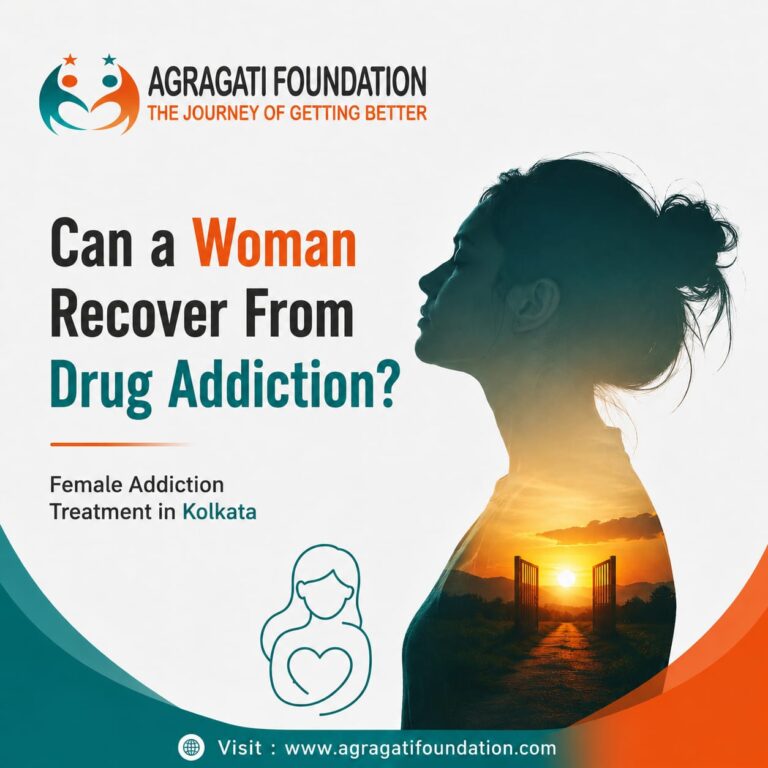
Yes. Recovery from drug addiction is possible.
However, recovery is not simply about stopping drug use for a few days or weeks. Sustainable recovery usually involves addressing the physical, psychological, emotional, and social factors associated with addiction.
Treatment may include medical assessment, supervised withdrawal management when appropriate, individual counseling, group therapy, behavioral therapies, family involvement, relapse-prevention strategies, and continuing care.
Every woman’s recovery journey is different.
What works for one person may not be appropriate for another, which is why professional assessment is important.
Female addiction treatment is designed to address substance use while also considering the experiences and needs that may be particularly relevant to women.
A treatment program may focus on:
The first step is understanding the nature and severity of the substance-use problem.
Professionals may assess:
This assessment helps determine the appropriate level of care.
Some substances can produce significant withdrawal symptoms when use is stopped suddenly.
Depending on the substance and the individual’s circumstances, medically supervised withdrawal management may be recommended.
This is one reason attempting to quit certain drugs completely on one’s own can be risky.
Professional assessment can help determine whether medical supervision is required.
Counseling provides a private environment where a woman can explore the factors contributing to her substance use.
These may include:
Understanding these underlying factors can help a woman develop healthier ways of coping.
Recovery can feel isolating when someone believes they are the only person experiencing addiction.
Group sessions allow women to share experiences, learn from others, develop communication skills, and understand that recovery is possible.
A supportive peer environment can also reduce feelings of shame and isolation.
Addiction affects more than the individual.
Parents, spouses, children, siblings, and other family members may experience confusion, anger, fear, or emotional exhaustion.
Where appropriate, family counseling and education can help relatives understand addiction and learn how to support recovery without unintentionally enabling harmful behavior.
The Love and Care Program at our rehabilitation center provides compassionate support, therapy, and holistic healing for individuals on their recovery journey, fostering emotional well-being, resilience, and a brighter future.
Our rehabilitation center's Treatment Approach combines personalized therapy, medical care, and holistic healing, focusing on physical, emotional, and mental well-being to empower individuals toward sustainable recovery and a healthier future.
Our Rehabilitation Program offers personalized care, therapy, and support to help individuals regain independence, overcome challenges, and achieve lasting recovery in a nurturing and empowering environment.


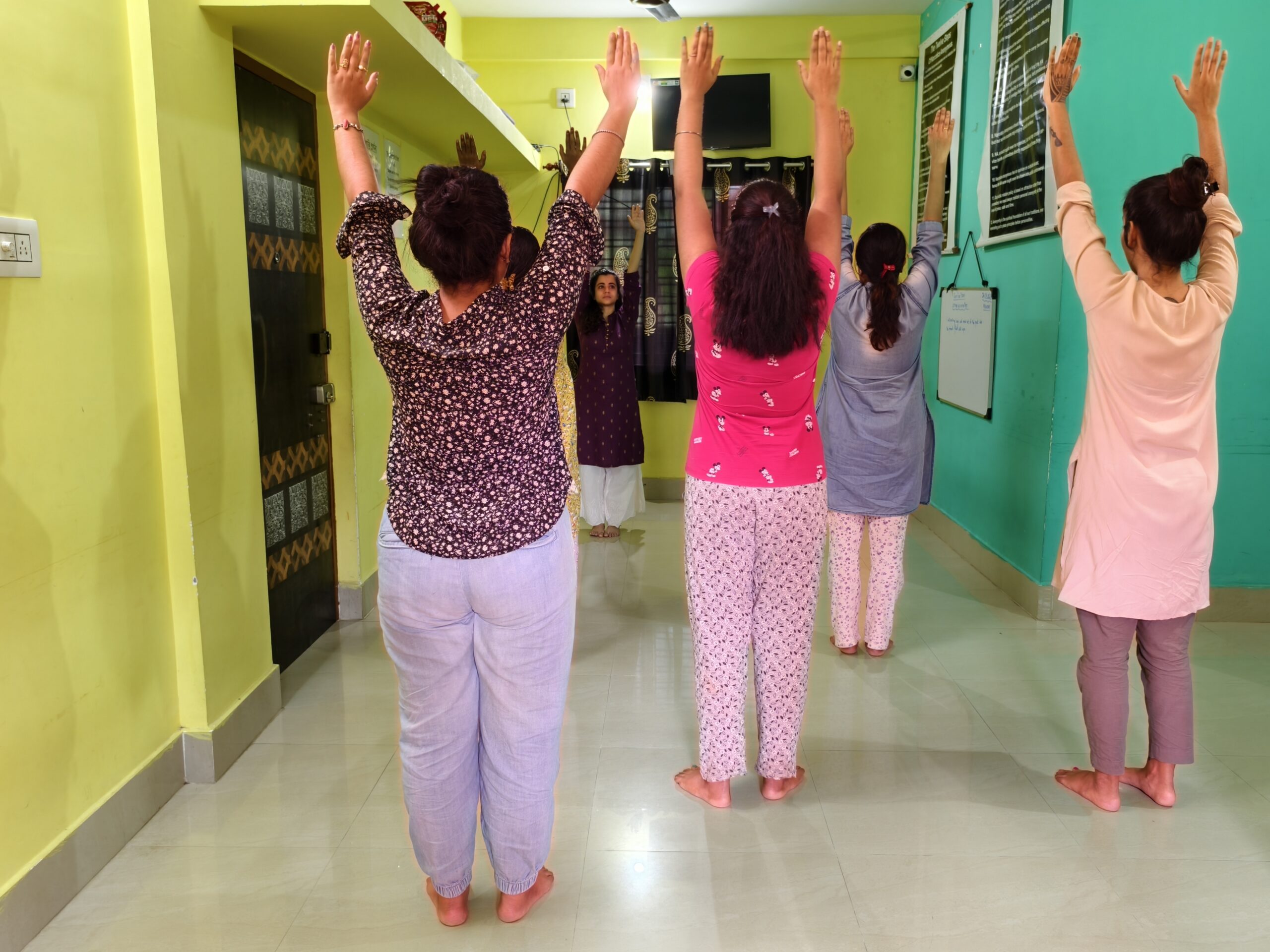

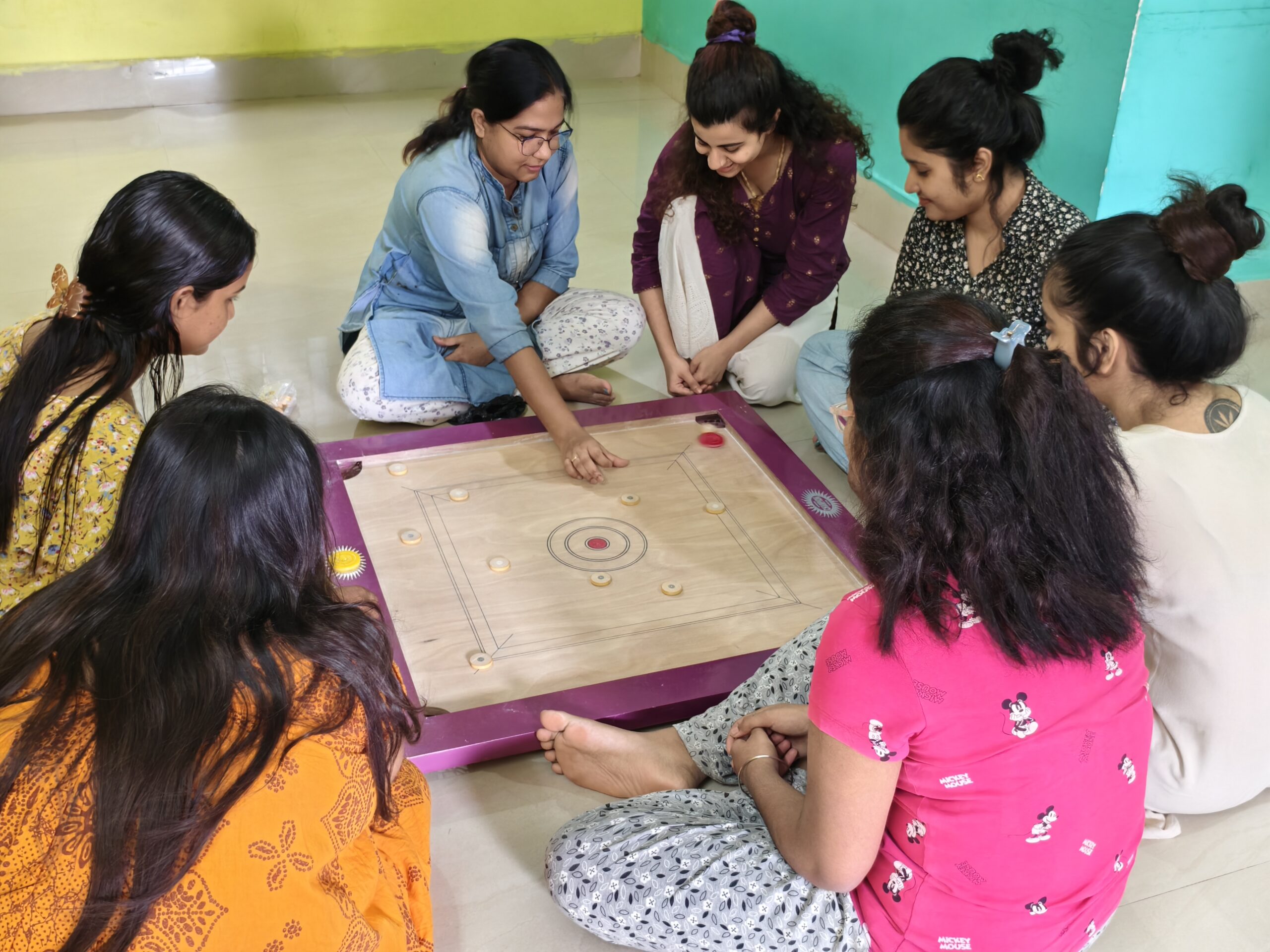
Many women feel more comfortable discussing sensitive experiences in a female-focused environment.
A women-only rehabilitation setting can provide greater privacy and an opportunity to discuss issues that may otherwise remain hidden.
For some women, this can make it easier to talk about:
A safe and respectful environment can be an important part of rebuilding confidence during recovery.
Completing a rehabilitation program is an important achievement, but recovery does not necessarily end when a woman leaves treatment.
Returning to everyday life can bring familiar triggers, stress, relationships, and situations associated with previous substance use.
That is why continuing care is important.
After rehabilitation, a woman may benefit from:
The objective is to help her develop a sustainable lifestyle that supports long-term recovery.
Family support can make a significant difference.
Instead of focusing only on past mistakes, families can encourage positive changes and create an environment where recovery is supported.
Helpful approaches include:
Listen without immediately judging.
Give her an opportunity to express what she is experiencing.
Encourage professional help.
Treatment is not a punishment. It is an opportunity to receive structured support.
Avoid shame and humiliation.
Negative labels can increase isolation and discourage someone from seeking help.
Set healthy boundaries.
Supporting recovery does not mean ignoring harmful behavior or repeatedly protecting someone from its consequences.
Recognize progress.
Recovery involves many small steps. Positive changes deserve recognition.
A previous unsuccessful attempt to stop using drugs does not mean that recovery is impossible.
Addiction is often a chronic and relapsing condition, and setbacks can occur. What matters is learning from previous experiences and strengthening the treatment and support plan.
A woman who has relapsed may need a reassessment of her treatment needs, triggers, support system, and continuing-care plan.
A setback does not erase the progress that has already been made.
Recognizing a problem and accepting help are two different things.
A woman may understand that her substance use is becoming problematic but still feel unable to seek treatment.
She may worry about:
These concerns are real, and they should be approached with compassion rather than criticism.
Families should consider seeking professional guidance when substance use is affecting a woman’s:
You do not necessarily have to wait for a crisis before seeking help.
Early professional assessment can help families understand the situation and explore appropriate treatment options.
At Agragati Foundation, the focus is on providing women with a supportive environment where recovery can begin with dignity and compassion.
Female addiction treatment should recognize that every woman has her own history, challenges, strengths, and reasons for wanting to recover.
The goal is not simply to help a woman stop using drugs. It is to help her develop the skills, confidence, awareness, and support needed to build a healthier life beyond addiction.
Recovery can mean rebuilding relationships, restoring self-confidence, developing healthy routines, discovering new interests, and learning how to face life’s challenges without depending on substances.
If you are asking, “Can a woman recover from drug addiction?”, the answer is yes.
Addiction can be powerful, but it does not have to define a woman’s future.
With the right professional treatment, a safe environment, compassionate support, and a commitment to continuing recovery, women can move from active addiction toward a healthier and more fulfilling life.
For families looking for a female rehabilitation centre in Kolkata, seeking professional guidance can be the first step.
Agragati Foundation — The Journey of Getting Better.
If you are concerned about a woman struggling with drug addiction, reach out to a qualified addiction-treatment professional to discuss her individual needs and the appropriate treatment options.

Bespoken Female Rehabilitation Centre in Kolkata Provides an Individual Recovery Program which best suits the Need of the Clients. Our highly trained Team from across India helps them in their Journey of Recovery.
Agragati Foundation© Copyright 2025 Designed and Developed by Jatin