
Depression and substance abuse often go hand-in-hand, especially for women. When we talk about recovery, it’s essential to understand how these two conditions overlap and how they uniquely affect women’s lives.
Depression is more than sadness—it’s a medical condition that affects mood, thoughts, energy, and daily functioning. Research shows that women are diagnosed with depression more often than men, due to a mix of biological, psychological, and social factors.
Substance abuse and depression frequently occur together, a combination often called co-occurring disorders or dual diagnosis. For many women, substances are used as a way to cope with persistent negative emotions, trauma, or chronic stress.
This creates a cycle:
Depression intensifies emotional pain, making alcohol or drugs feel like relief.
Substance use deepens depression, because depressants like alcohol can worsen mood and disrupt brain chemistry.
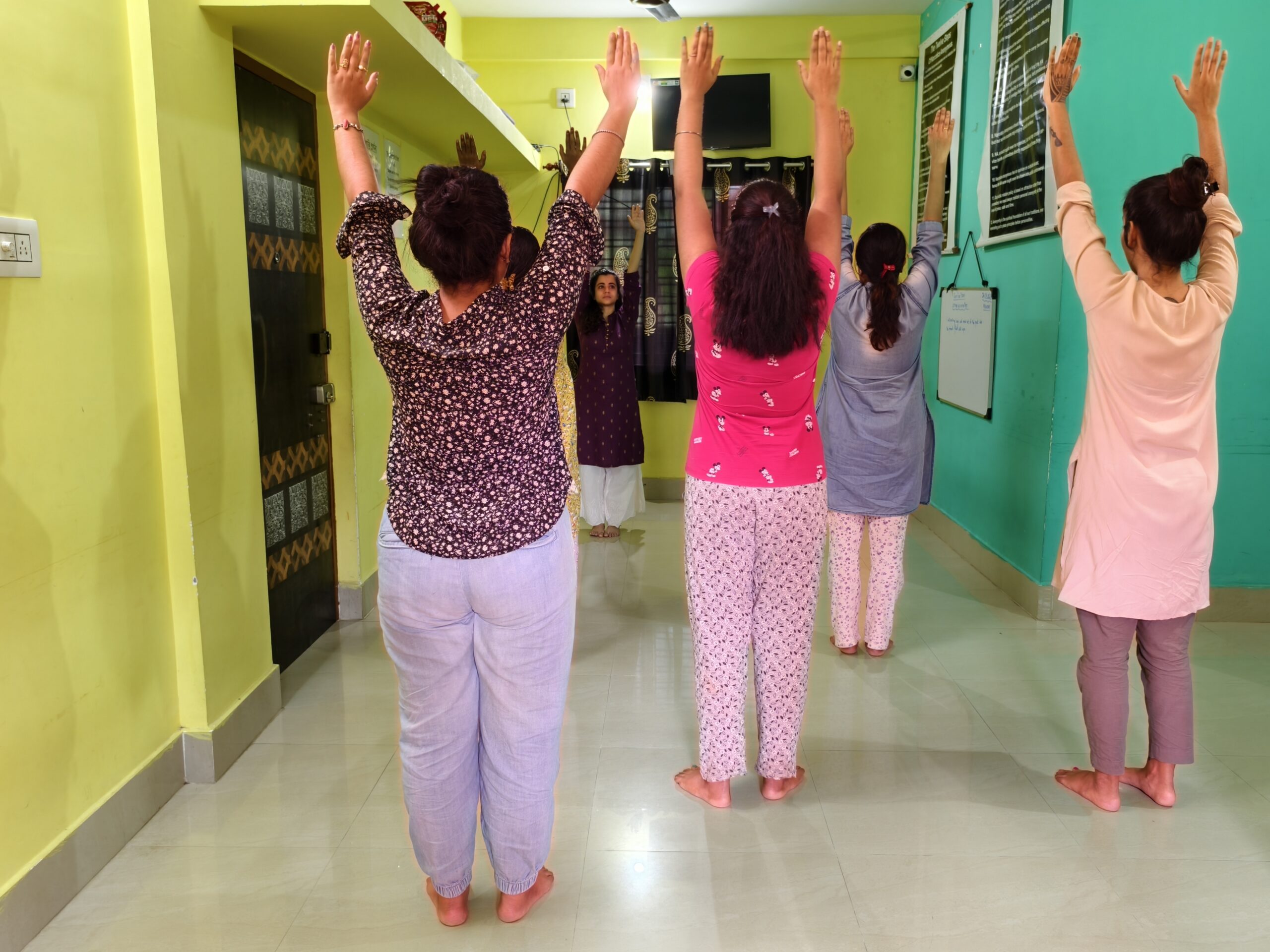
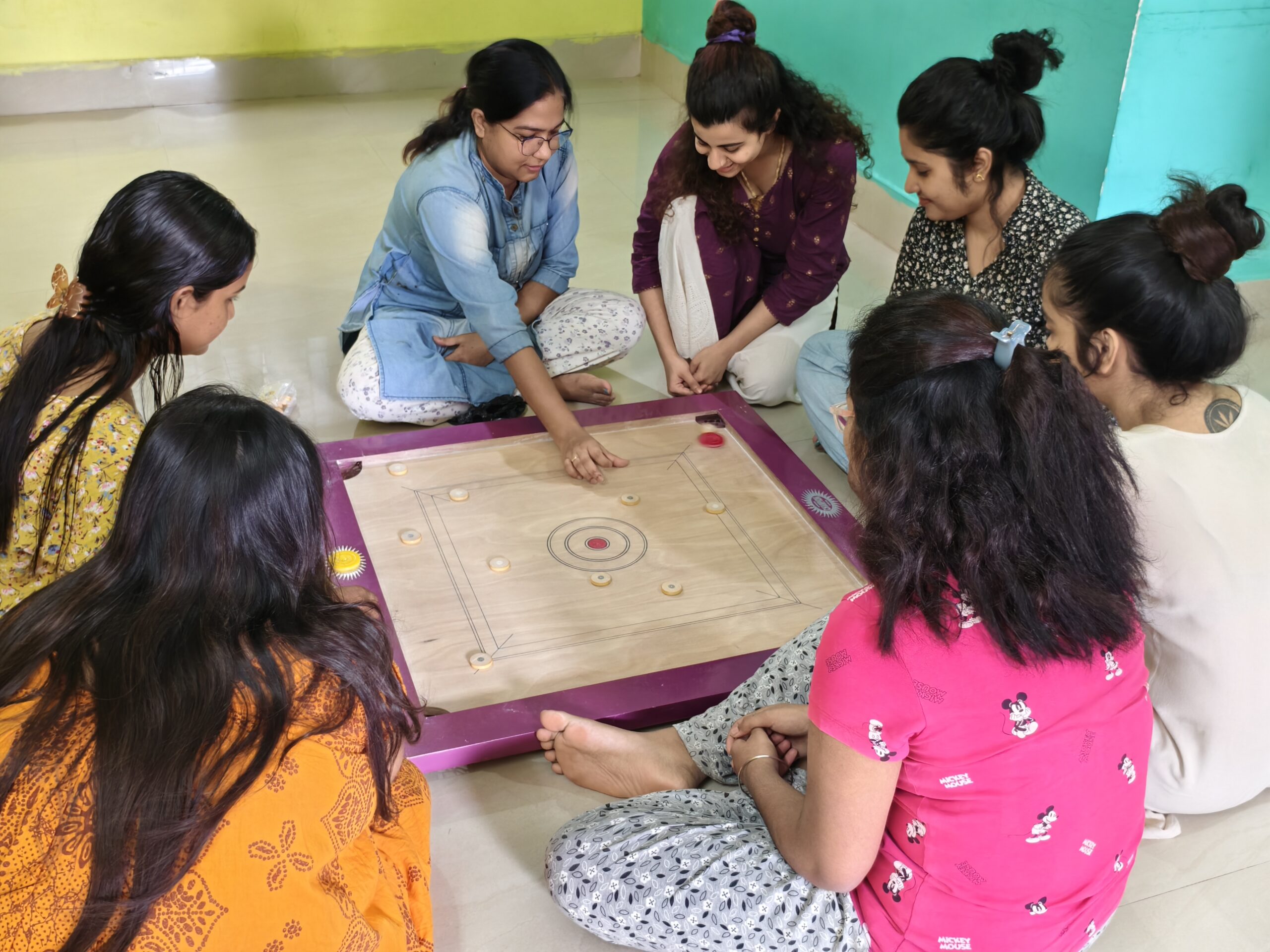
The Love and Care Program at our rehabilitation center provides compassionate support, therapy, and holistic healing for individuals on their recovery journey, fostering emotional well-being, resilience, and a brighter future.
Our rehabilitation center's Treatment Approach combines personalized therapy, medical care, and holistic healing, focusing on physical, emotional, and mental well-being to empower individuals toward sustainable recovery and a healthier future.
Our Rehabilitation Program offers personalized care, therapy, and support to help individuals regain independence, overcome challenges, and achieve lasting recovery in a nurturing and empowering environment.



Women face unique pressures that affect both mental health and substance use:
Societal Roles & Expectations
Women often juggle caregiving responsibilities, career challenges, and social expectations that increase stress and emotional burden.
Trauma & Abuse History
A large proportion of women with substance use challenges also have histories of trauma, including domestic violence or childhood abuse—both of which are strongly linked to depression and addiction.
Stigma & Barriers to Treatment
Women face more stigma when seeking help for addiction or mental health issues. Fear of judgment, loss of child custody, financial challenges, and lack of gender-sensitive treatment options often delay recovery.
Women struggling with both depression and substance abuse may experience:
Persistent sadness or hopelessness
Loss of interest in activities once enjoyed
Difficulty sleeping or oversleeping
Using substances to numb difficult emotions
Withdrawing from friends or family
Feelings of guilt, worthlessness, or fatigue
Treating only the addiction without addressing underlying depression (or vice versa) often leads to relapse or incomplete recovery. For women, integrated treatment that addresses both conditions is essential.
At Agragati Foundation, our programs:
– Combine mental health support with addiction therapy
– Provide trauma-informed counseling
– Offer holistic care including support groups, mindfulness, and skill building
This dual approach helps women heal not just physically, but emotionally and mentally too.
Every woman’s path to recovery is unique—but many find that when depression and substance abuse are treated together, healing becomes possible. Strength doesn’t mean being “fixed”; it means having the courage to accept help, grow, and rebuild your life.

Bespoken Female Rehabilitation Centre in Kolkata Provides an Individual Recovery Program which best suits the Need of the Clients. Our highly trained Team from across India helps them in their Journey of Recovery.
Agragati Foundation© Copyright 2025 Designed and Developed by Jatin