
Addiction does not only affect one person — it impacts the entire family. For many women in recovery, the most painful part of addiction is the strain it places on their children, parents, spouses, and loved ones. At our female rehabilitation center in Kolkata, we understand that healing is not complete until relationships begin to heal too.
Rebuilding trust with children and family after addiction is a gradual journey. It requires patience, consistency, and professional support. In this blog, we explore practical steps women can take to repair relationships and rebuild emotional bonds during recovery.
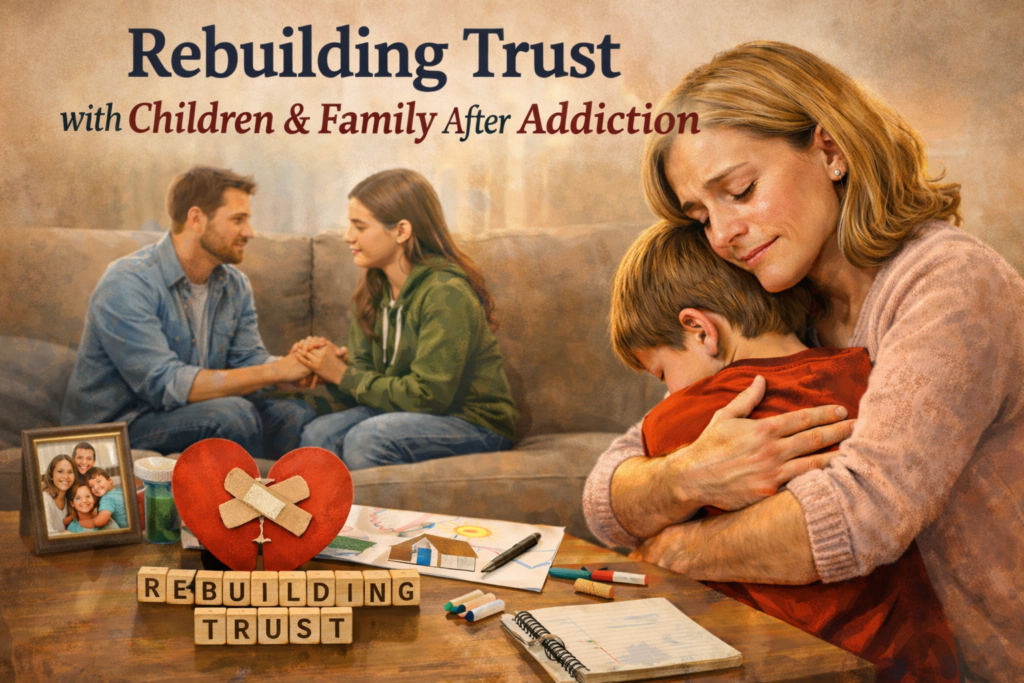
Addiction often leads to:
Broken promises
Emotional absence
Financial instability
Dishonesty
Mood swings or aggression
Neglect of responsibilities
Children may feel confused, hurt, angry, or abandoned. Family members may struggle with resentment and fear of relapse. Trust is damaged when reliability disappears — and rebuilding it requires sustained effort.
The first step in rebuilding trust is accountability.
Avoid statements like:
“It wasn’t my fault.”
“You don’t understand what I was going through.”
“It wasn’t that bad.”
Instead, try:
“I understand that my actions hurt you.”
“I take responsibility for the pain I caused.”
“I am working hard to change.”
Children, especially, need acknowledgment of their feelings. Honest accountability opens the door to healing.
Trust is not rebuilt through words — it is rebuilt through consistent actions over time.
Family members may:
Question your progress
Watch for signs of relapse
Be emotionally distant
Test your consistency
This is normal. Recovery is proven through stability, routine, and reliability.
At Agragati Foundation, we emphasize long-term behavioral change rather than quick emotional reconciliation.
Children process trauma differently depending on their age.
Spend quality time daily
Create routines (bedtime stories, meals together)
Offer reassurance of safety
For Teenagers:
Allow them space to express anger
Avoid forcing conversations
Respect their boundaries
Show consistent behavior over time
Open communication rebuilds emotional bridges.
Healthy communication includes:
Listening without interrupting
Validating feelings
Avoiding defensiveness
Speaking calmly
Family therapy sessions can provide structured support. Professional guidance ensures that difficult conversations happen in a safe environment.
Consistency is the foundation of trust.
This means:
Attending therapy regularly
Following through on commitments
Maintaining sobriety
Being punctual
Keeping promises (even small ones)
Children especially notice small actions. Showing up on time, remembering important dates, and keeping your word builds emotional reliability.
The Love and Care Program at our rehabilitation center provides compassionate support, therapy, and holistic healing for individuals on their recovery journey, fostering emotional well-being, resilience, and a brighter future.
Our rehabilitation center's Treatment Approach combines personalized therapy, medical care, and holistic healing, focusing on physical, emotional, and mental well-being to empower individuals toward sustainable recovery and a healthier future.
Our Rehabilitation Program offers personalized care, therapy, and support to help individuals regain independence, overcome challenges, and achieve lasting recovery in a nurturing and empowering environment.


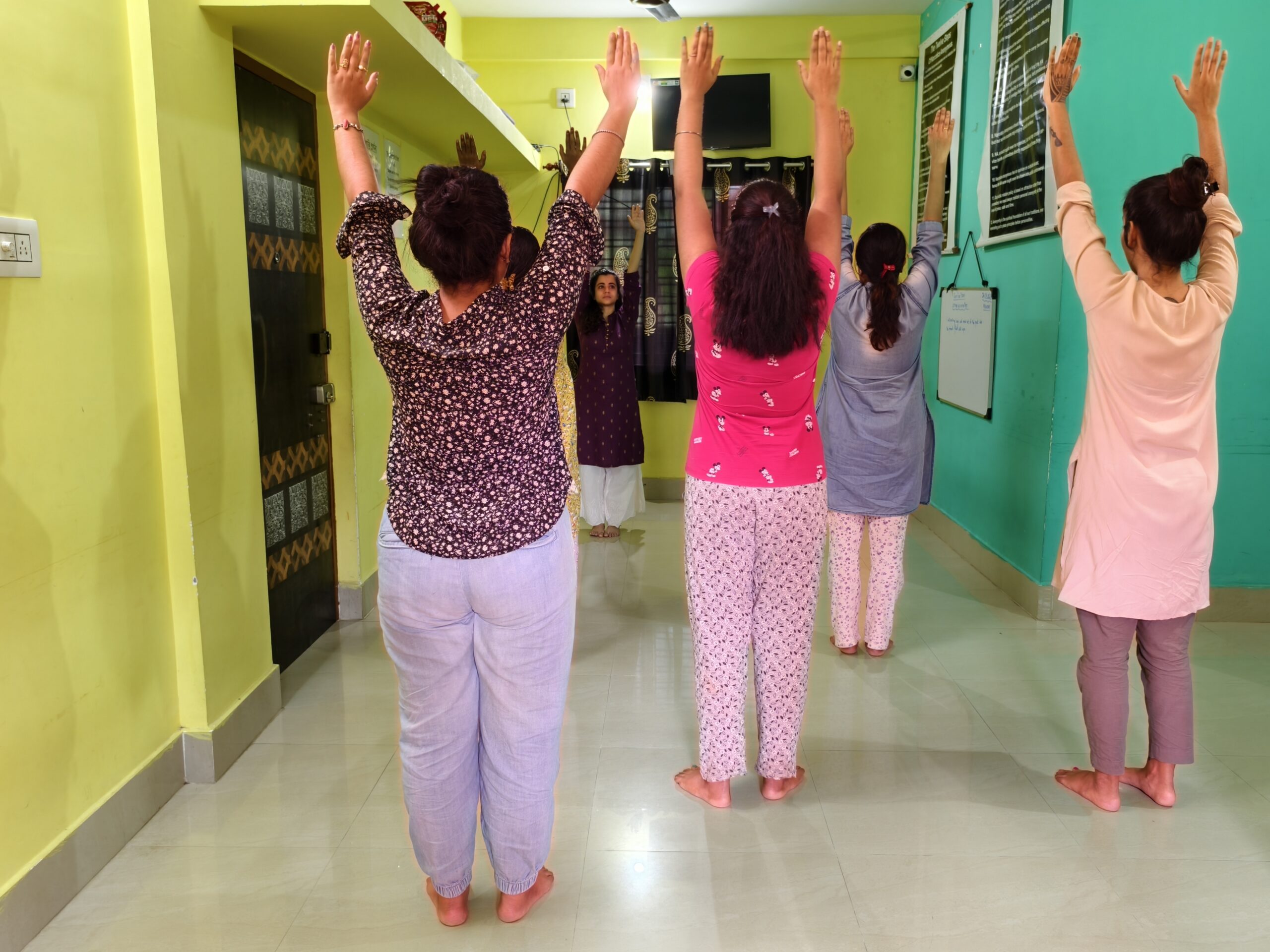

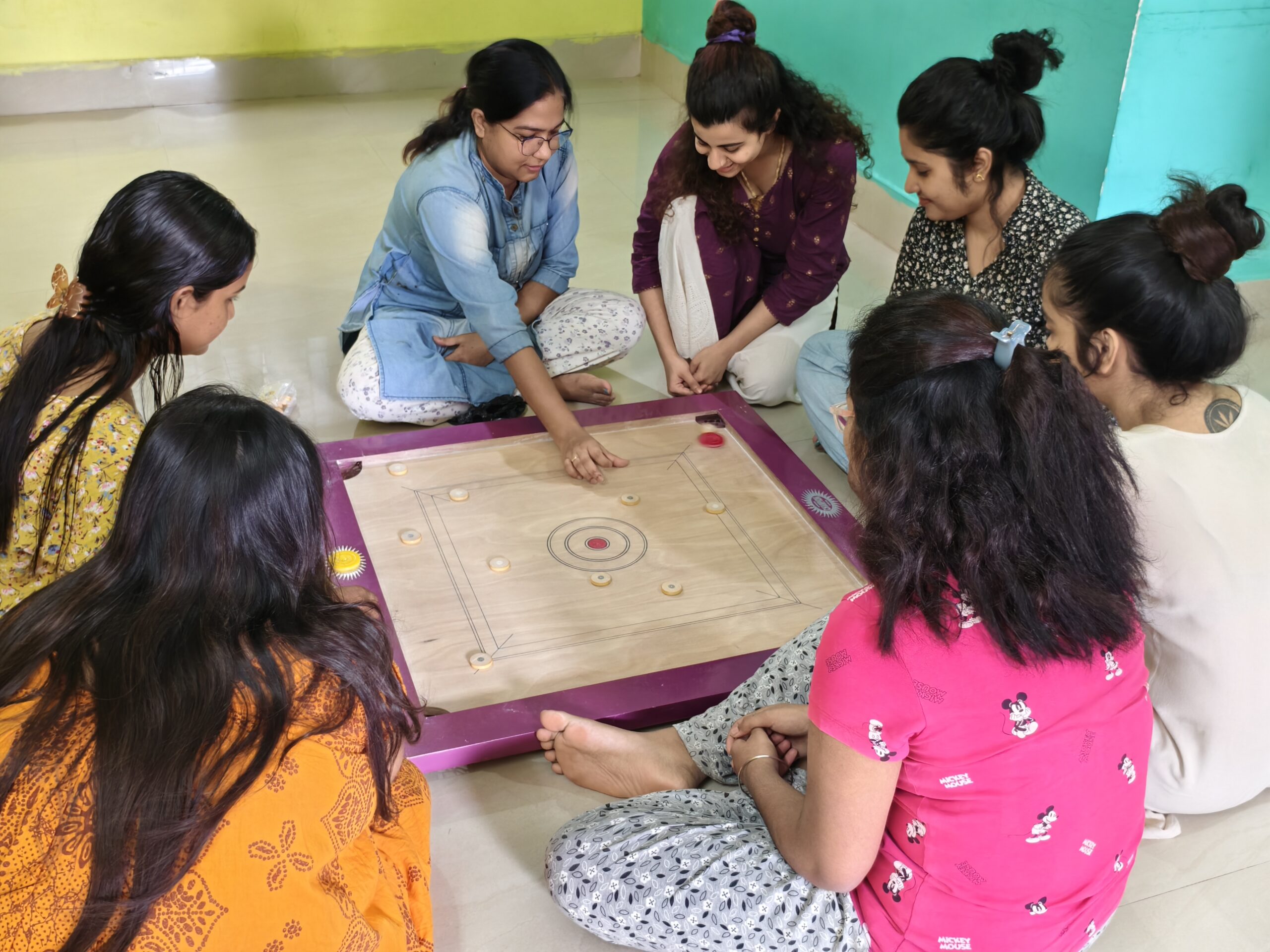
Many women in rehab carry deep trauma, guilt, and shame. Without self-healing, relationship repair becomes fragile.
Recovery programs should include:
Trauma therapy
Emotional regulation training
Self-esteem rebuilding
Coping mechanisms for stress
Relapse prevention planning
When a woman becomes emotionally stable, she becomes a safer parent and partner.
Addiction often disrupts family roles. During recovery:
Establish household routines
Clarify responsibilities
Create shared family goals
Encourage healthy boundaries
Structure provides children with a sense of security.
Many mothers struggle with overwhelming guilt. While accountability is necessary, excessive self-blame can hinder recovery.
Self-forgiveness:
Encourages emotional stability
Reduces relapse risk
Improves parenting confidence
Promotes healthy attachment
Healing begins when women believe they deserve a second chance.
Family therapy is a powerful part of female addiction treatment. It helps:
Address past trauma
Improve communication patterns
Reduce enabling behaviors
Rebuild emotional safety
Create a relapse-prevention support system
At Agragati Foundation, we integrate family counseling into our rehabilitation programs to ensure long-term recovery and relationship restoration.
Rebuilding trust is rarely smooth. Women may face:
Emotional outbursts from children
Resistance from spouses
Judgment from extended family
Social stigma
Fear of relapse
These challenges are normal. What matters most is persistence and professional support.
You may notice:
More open conversations
Increased emotional closeness
Family members sharing concerns
Invitations to family activities
Reduced suspicion
These are signs of gradual healing.
Women experience addiction differently than men. Factors such as:
Domestic violence
Social stigma
Economic dependence
Motherhood pressures
Trauma and abuse
make female-focused rehabilitation essential.
A women-centered rehab program provides emotional safety, trauma-informed care, and parenting support — all crucial for rebuilding family bonds.
Rebuilding trust with children and family after addiction is possible. It may take months or even years, but healing happens through:
Honesty
Consistency
Professional support
Patience
Love
Recovery is not just about sobriety — it is about restoring dignity, rebuilding relationships, and creating a stable future for your children.
If you or a loved one is struggling with addiction and seeking compassionate female rehabilitation support in Kolkata, Agragati Foundation is here to help.

Bespoken Female Rehabilitation Centre in Kolkata Provides an Individual Recovery Program which best suits the Need of the Clients. Our highly trained Team from across India helps them in their Journey of Recovery.
Agragati Foundation© Copyright 2025 Designed and Developed by Jatin